NDP Refuses to Discuss Private Members Bill
“DRIPA, as implemented, is dividing people at a time when we need unity,” Peace River North MLA Jordan Kealy told the legislature on November 19 when he introduced his private members bill, the Declaration on the Rights of Indigenous Peoples Statute Repeal Act. “It is pulling this province apart when we should be building something stronger together.”
Kealy said the NDP government has turned what should’ve been a path to unity into one of the most divisive and polarizing bills in the province’s history and in doing so, twisted the concept of reconciliation into something it wasn’t meant to be.
“Reconciliation was supposed to bring people together, Nations and non-First Nations alike,” Kealy said in a prepared statement prior to introducing the bill. “But instead, DRIPA has become a wedge. And let’s be honest: the reason we even talk about reconciliation is because of the actions of government, not the people of this province.”
“Real reconciliation means truth, clarity and partnership, not division, secrecy and the government washing its hands of the mess it created.”
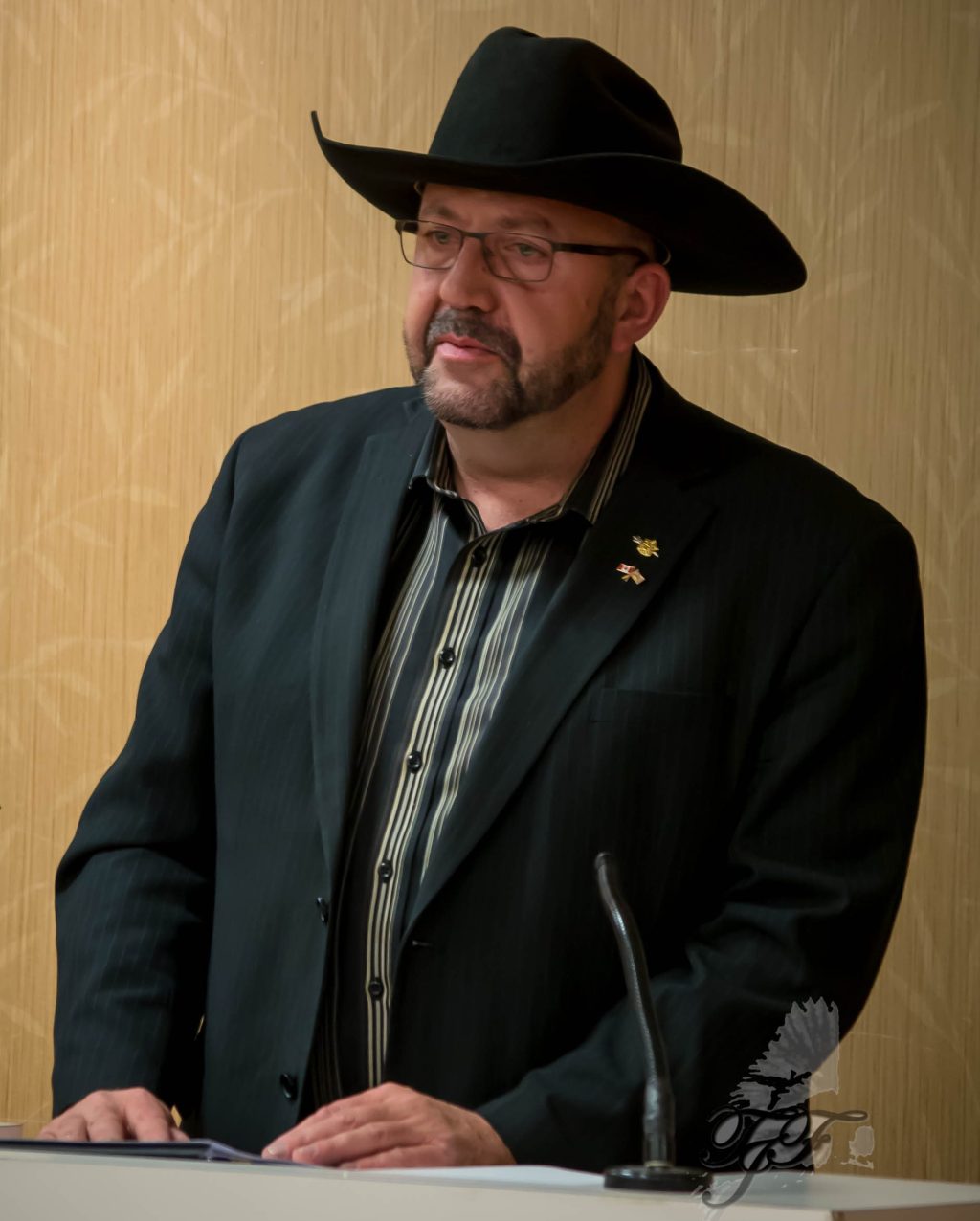
Peace River North MLA Jordan Kealy
The Declaration on the Rights of Indigenous People’s Act (DRIPA), is based on the United Nations Declaration on the Rights of Indigenous Peoples (UNDRIP), a non-binding resolution that outlines the individual and collective rights of Indigenous peoples, including their rights to self-determination, culture and land.
The British Columbia government said that DRIPA was intended to improve relationships with Indigenous peoples and to advance reconciliation. It aims to recognize and affirm Indigenous rights, culture and traditional laws, especially those related to land and governance, and ensure that the laws of BC are consistent with UNDRIP.
DRIPA was passed unanimously by the legislature on November 28, 2019.
In his introduction of the bill, Kealy spoke of his brother’s family, as an example of how unfair and divisive DRIPA can be.
His brother has a blended family, with two biological children and two stepchildren who are Indigenous. Kealy says his brother loves and treats his children equally, but as they grow up, two of his children will receive benefits such as education supports, job opportunities, hunting and fishing rights that the other two children will never qualify for.
“These children live in the same house, raised by the same parents, but the government will treat them vastly different,” Kealy said. “They are equal and should be treated as such.”
“This bill wasn’t designed to divide anyone. It wasn’t written to attack Indigenous people, or erase rights, or inflame tensions. It was written for ONE purpose and that was to take DRIPA back to the drawing board with the people of British Columbia at the table.”
DRIPA, Kealy argues hasn’t delivered clarity, fairness or unity, and has instead created uncertainty in all aspect of life for British Columbians.
“Across this province, people feel the ground shifting beneath them. Families, Indigenous and non-Indigenous are trying to plan their lives in a system clouded with uncertainty.
“Land decisions are inconsistent, processes are tangled, ministries are operating under conflicting expectations, meetings are happening behind closed doors, transparency is missing and trust is eroding.”
What Kealy was proposing with his private members bill, was to repeal DRIPA and create a new piece of legislation that works for everyone in the province, regardless of ancestry. By repealing DRIPA, the province could take the opportunity to reset the conversation in a way that’s transparent, honest and unifying.
He proposed working together to “build something that unites us, rather than divides, is transparent and is fair for all.”
“We can work together, but not like this,” Kealy said. “Real reconciliation means truth, clarity and partnership, not division, secrecy and the government washing its hands of the mess it created.”
Kealy isn’t alone in his concern that DRIPA is causing division and creating uncertainty in the province. Over the past year, several politicians, including ones who voted in favour of DRIPA in 2019 are speaking out.
From Skeena-Bulkley Valley MP Ellis Ross to BC Conservative leader John Rustad, and a variety of other MLAs including OneBC’s Dallas Brodie and Tara Armstrong, BC Conservatives Sheldon Clare and Scott McInnis, the chorus to end the division and uncertainty in British Columbia is growing.
Yet it’s still a subject the NDP refuses to discuss, as illustrated when they voted en masse against allowing Kealy’s bill to proceed beyond introduction and first reading.
In an X post following the defeat of his bill, Kealy vented his concern and frustration.
“This bill wasn’t designed to divide anyone. It wasn’t written to attack Indigenous people, or erase rights, or inflame tensions. It was written for ONE purpose and that was to take DRIPA back to the drawing board with the people of British Columbia at the table.”
Kealy said that instead the government chose to shut the door, without debate, without discussion, without listening and without democracy.
“What does this mean for the people of BC? It means the public has no voice, no referendum, no say in how DRIPA is implemented and no opportunity to demand clarity, fairness or shared governance.
“The government will decide everything behind closed doors and ordinary British Columbians will be left dealing with the consequences.”

Have an insight or additional info regarding this article? Feel free to drop a comment!